
Let’s start with a question that feels like a slap in the face every time I hear it:
“Why don’t Africans travel?”
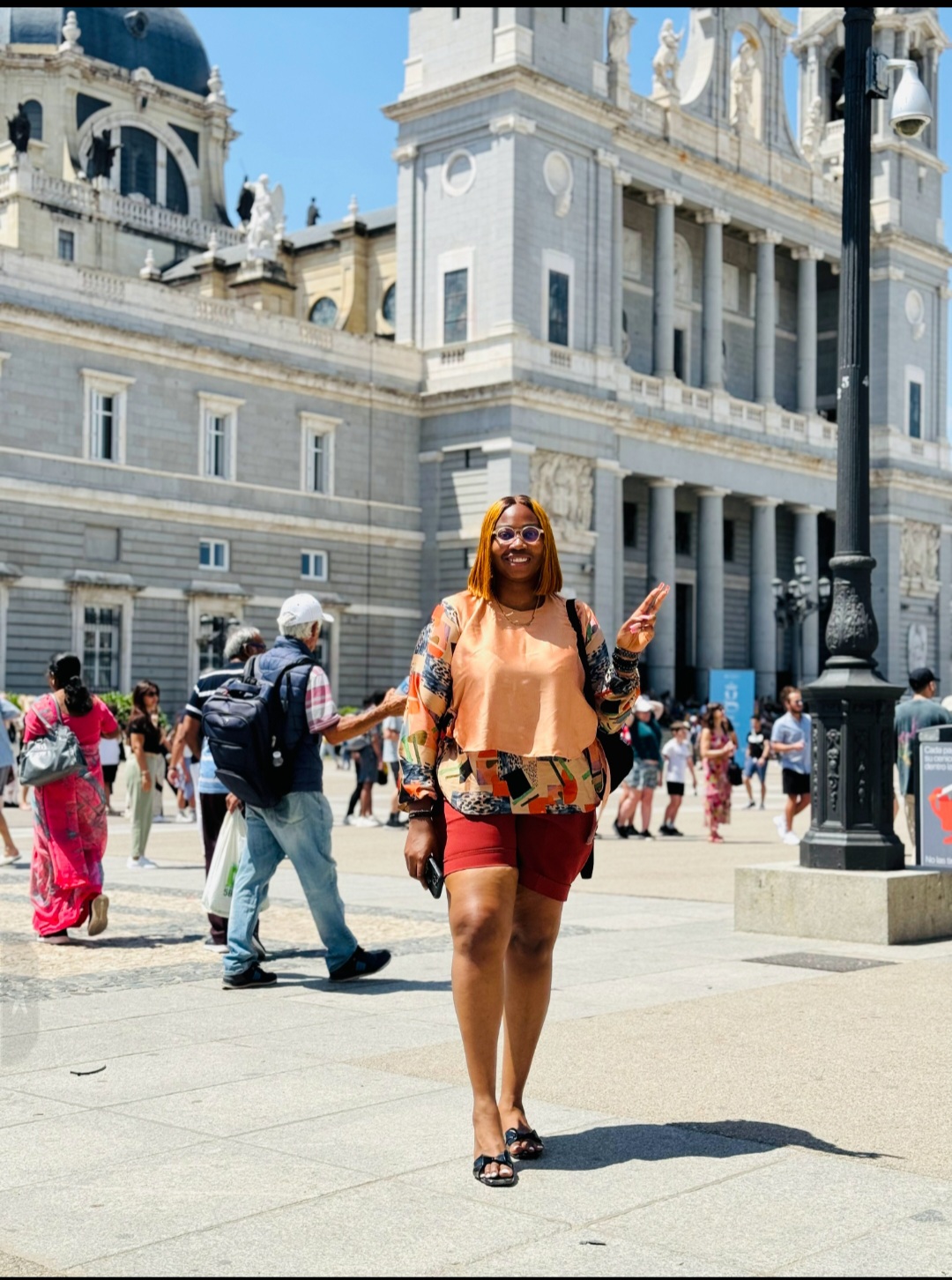
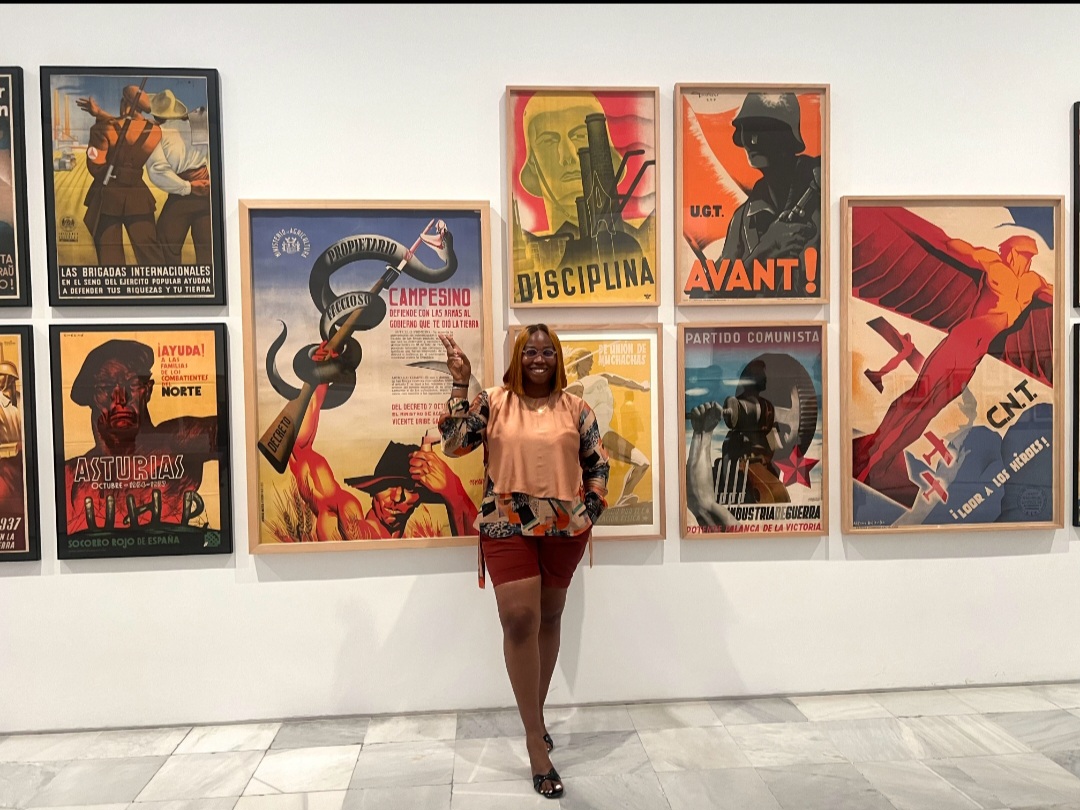
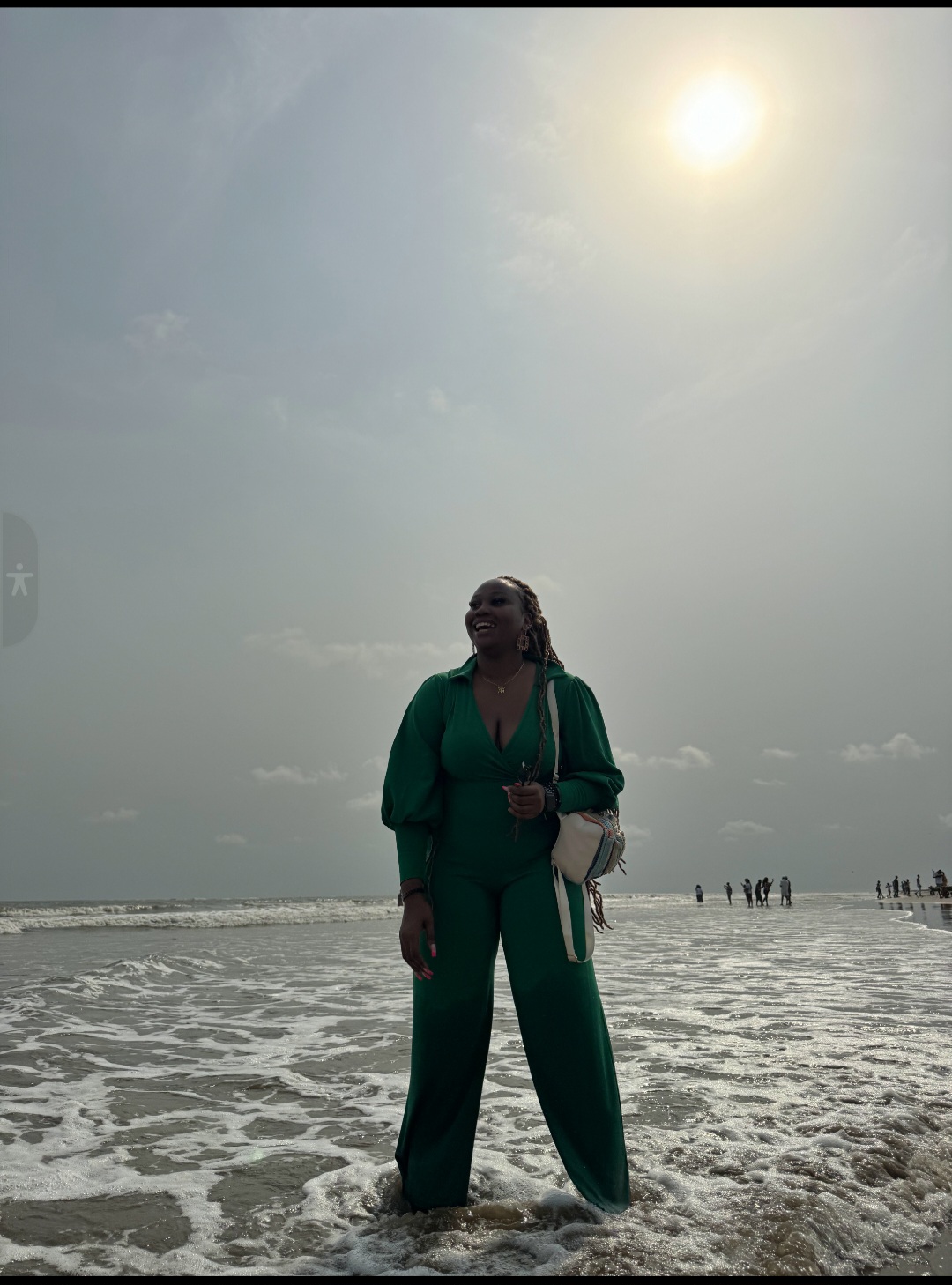
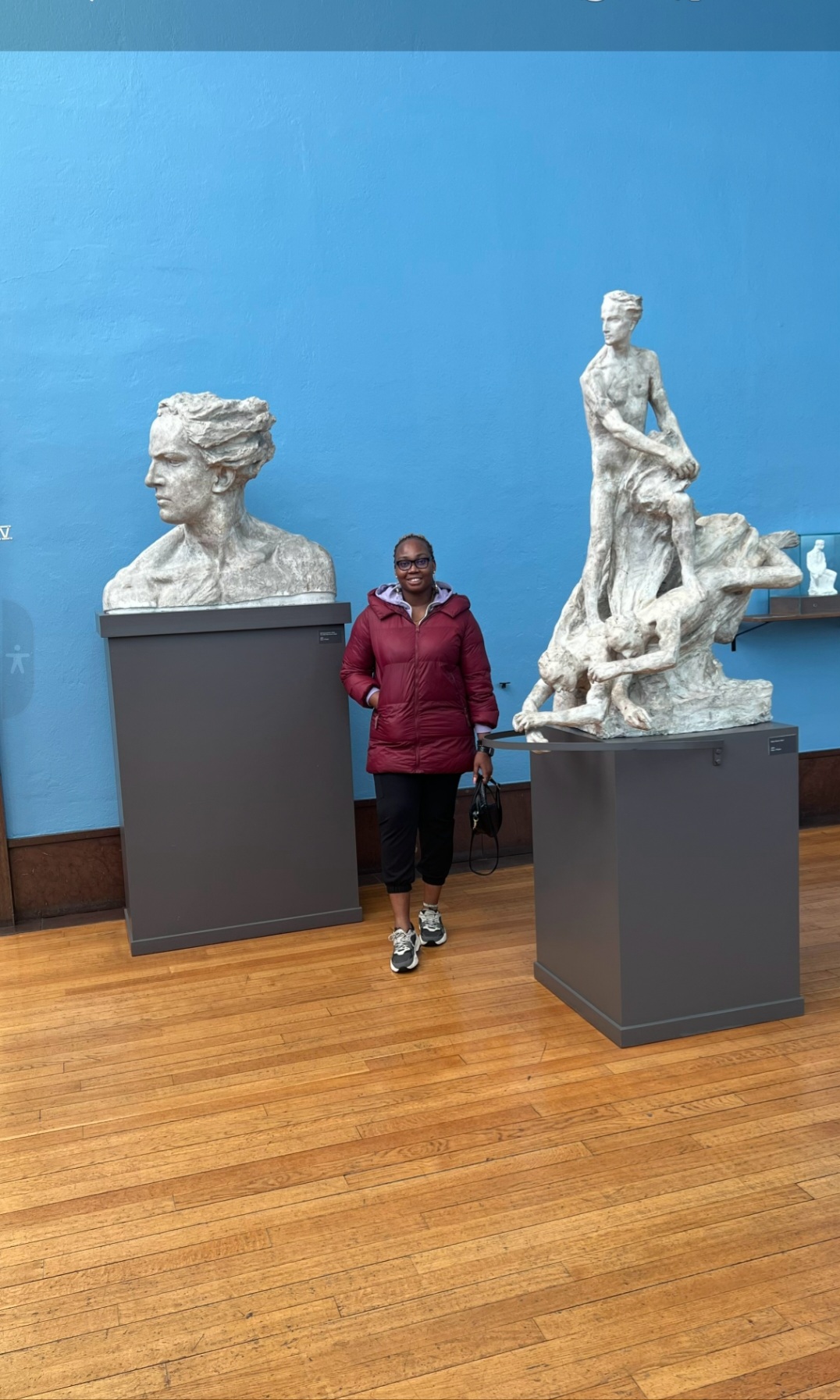
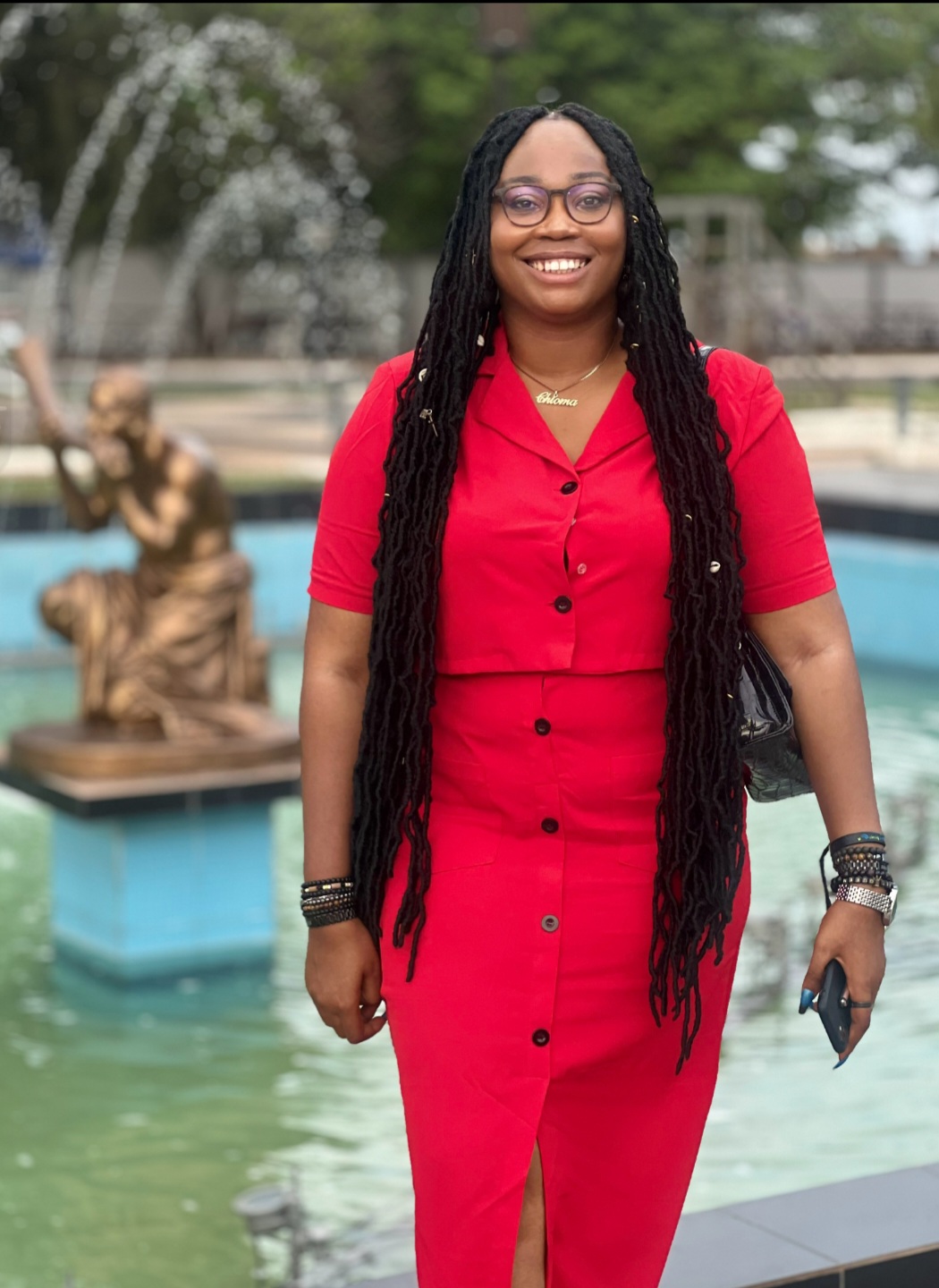
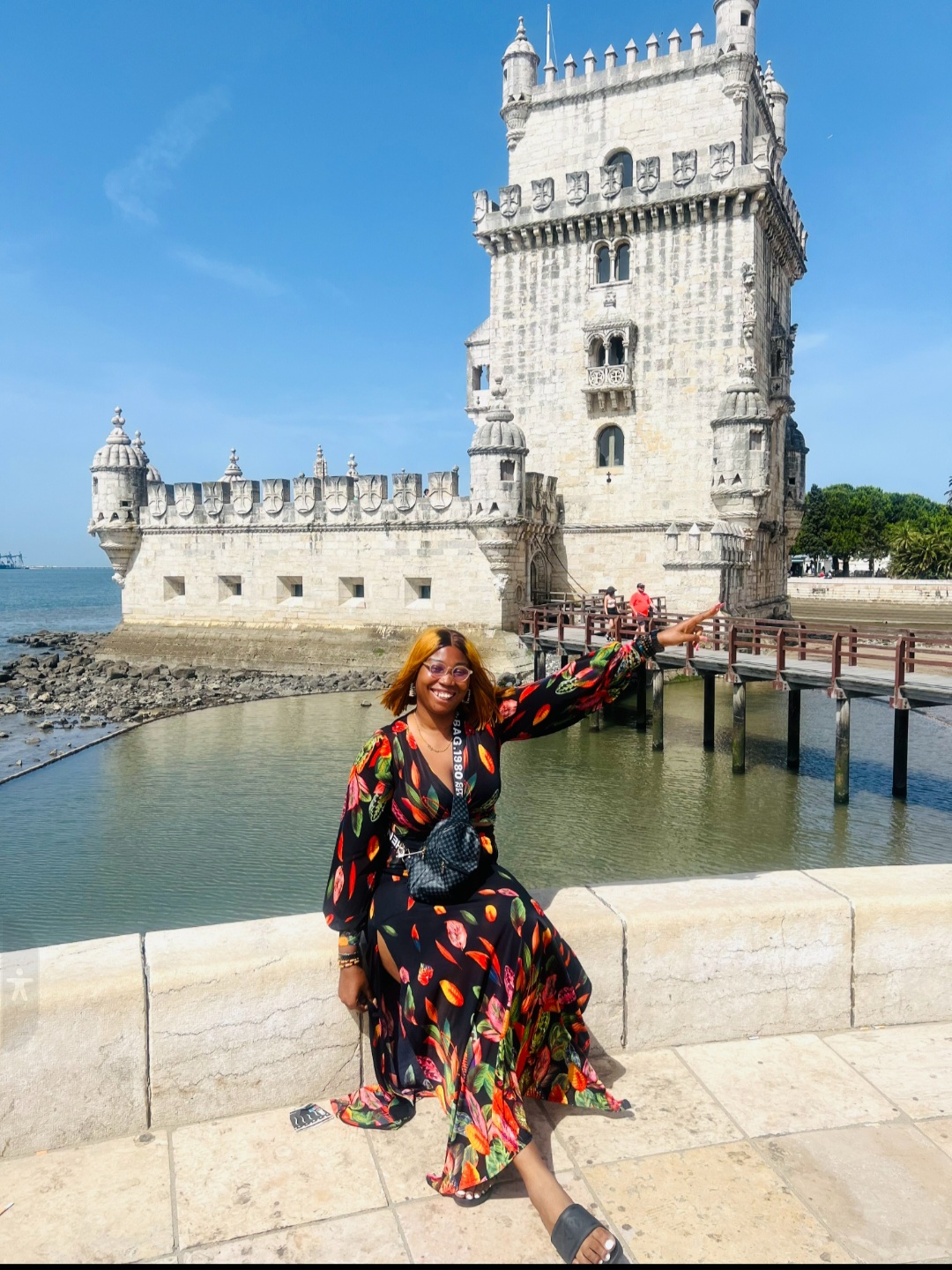 The Face Of A Young African Woman Who Has Travelled To 28 Countries, Me!
This question is often asked with a smirk, wrapped in assumptions, and said with a tone that implies we’re either not curious, adventurous, or incapable. But here’s the truth, Africans do travel. I repeat, Africans do travel. We always have. But there are layers, stories, struggles, and structural barriers buried deep beneath that question. Some layers don’t fit neatly into headlines or social media posts.
However, I'm not putting this post up to defend Africa. I believe we do not need to defend against such bias; rather, I'm bringing this to the rear to unpack the myths, acknowledge the truths, and honour the reasons behind the choices or limitations so many Africans face when it comes to travel.
Myth 1: Africans Don’t Like to Travel
The Truth: Africans are some of the most adventurous, community-rooted, and culturally rich people you’ll ever meet. I mean, look at Nigeria. There's a popular saying of the Igbo tribe, “ebe ọbụna ịgara enweghị onye ịgbọ, nwanne gbakwa ọsọ(Translation–Anywhere you go and there isn't an igbo or black man, my dear, exit with immediate effect) We Nigerians despite the many setbacks and the crippling political state have beat the odds and there isn't a country you won't find us nestling deep. I will repeat it, Africans do travel. It may not be as easy as it is for other demographics but that has never deterred us. We love discovering new places, whether a bustling capital city or a peaceful village tucked away in the hills. The eye-opening Truth is this: when the average African travels, it’s often for reasons that aren’t entirely glamorous. Some of those reasons are seeking education, escaping conflict, or finding work. It doesn’t mean we don’t enjoy leisure travel. It means our priorities are different because our realities are different.
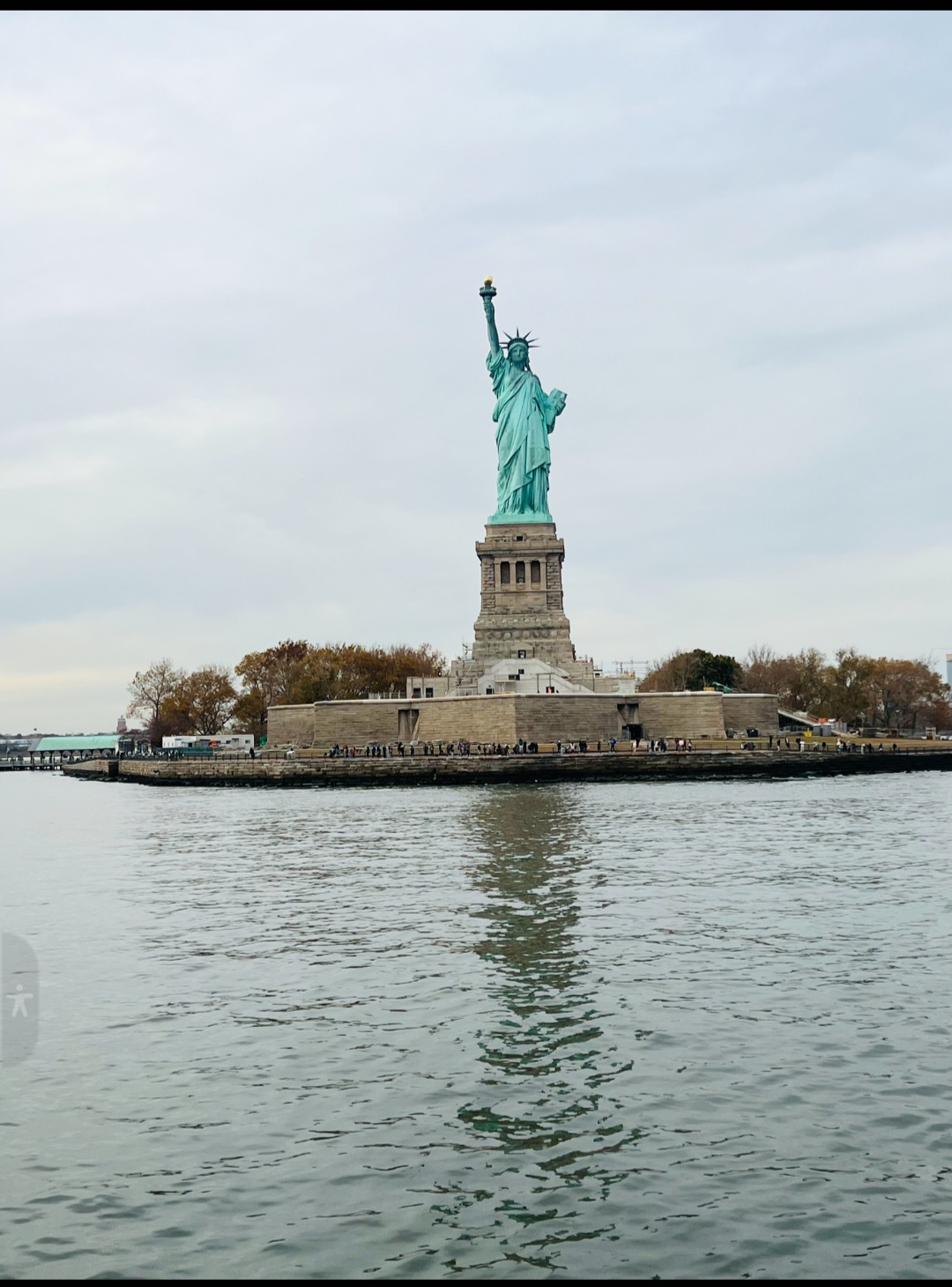
A moment of vulnerability: I remember saving for over a year just to take a trip to the US by air. It wasn’t first class. It wasn’t a vacation in the traditional sense. But it was freedom. And that trip meant more to me than someone else’s 5-star getaway. Africans like to travel but we just do it on our own terms.
Myth 2: Africans Don’t Have the Money to Travel
The Truth: Yes, economic hardship is real in many parts of Africa. But the narrative that all Africans are poor is tired, lazy, and incorrect. What’s more accurate is this, travel is expensive, even for the middle class, and the system makes it harder for Africans to afford it.
Flights from Lagos to London can cost more than a flight from Paris to Tokyo. Hotel prices are inflated for locals in popular African cities. Visa application fees for African passports can be more expensive than the actual cost of the trip.What people forget is that we are not just paying for the trip. We are paying to prove that we are “worthy” of going.
Emotional Truth: I once applied for a Schengen visa. I submitted bank statements, an invitation letter, a flight itinerary, proof of accommodation, a letter from my employer—everything. After weeks of waiting, I was denied with no explanation. I cried. Not because I couldn’t go, but because I wasn’t allowed to go.
Myth 3: Africans Are Not Interested in Cultural Exchange
The Truth: Africans have been participating in cultural exchange for centuries through music, dance, art, food, and storytelling. We are the culture! We create it. We influence it globally. (Period!)
But when it comes to formal travel and tourism, many of us are left out due to passport privilege and visa discrimination. This has always been one major issue Africans encounter. Passport discrimination! It’s not that we don’t want to explore different cultures; it’s that the world doesn’t always welcome us in return.
A moment of vulnerability: I remember attending a youth conference in Nairobi where participants from Europe and North America breezed in and out with little hassle. Meanwhile, delegates from other African countries were detained at borders, questioned endlessly, or denied entry entirely. It was painful to watch us be treated like outsiders on our own continent.
Myth 4: Africans Only Travel Abroad to Relocate or Escape
Okay, there may be some element of truth here but the idea that every African who leaves home is desperate to escape poverty or seek asylum is one of the most damaging travel myths out there. Why did I say that there may be some sort of truth here? Indeed, We Africans travel for education, which automatically means, for some, relocation. The desire to challenge ourselves to go beyond the obvious is the reason we are literally everywhere today. So, yes, migration happens. And yes, many Africans do seek better opportunities abroad but that doesn’t mean we all want to run away from home.
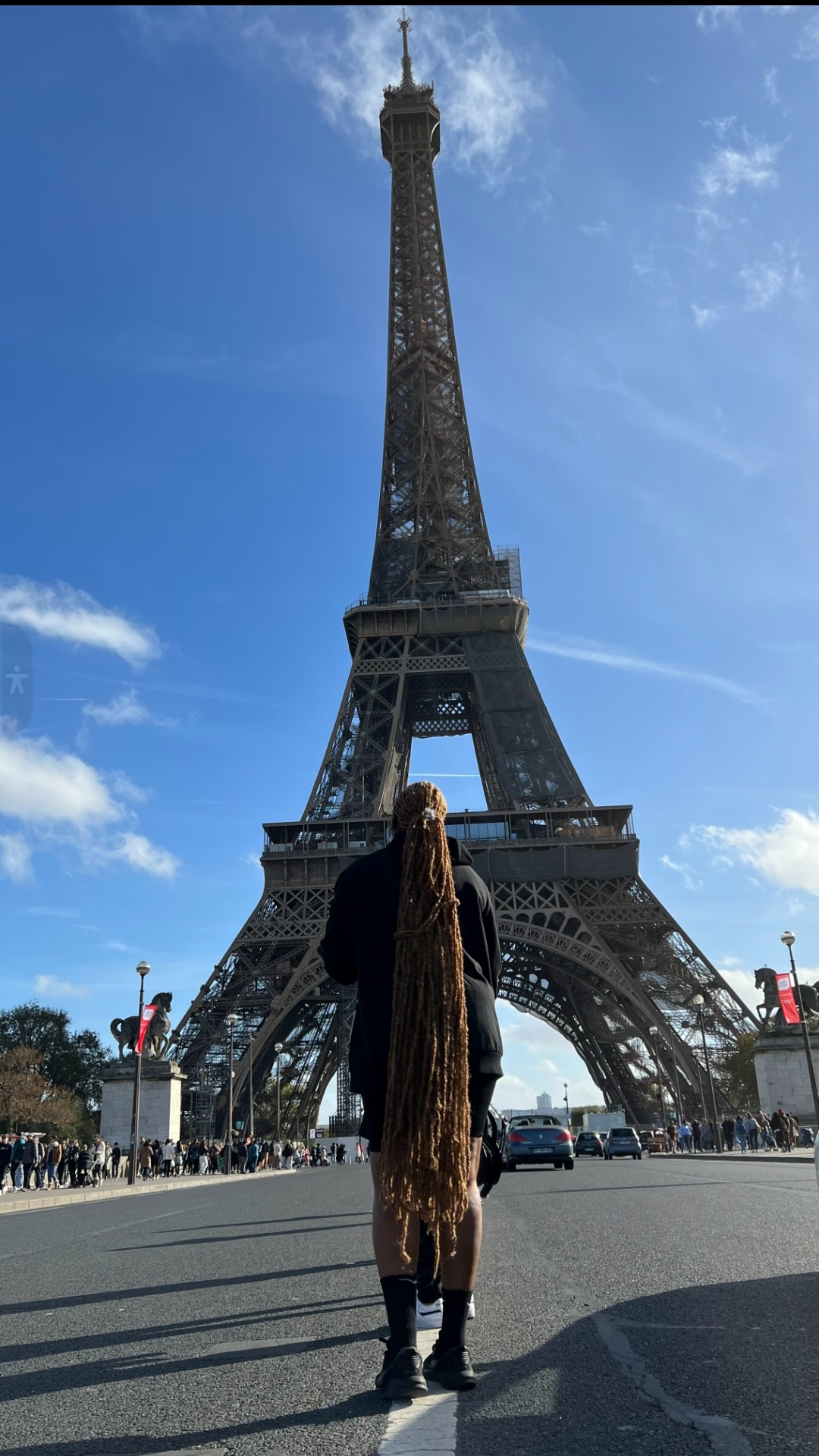
Some of us travel for love as well. For the thrill of seeing the Eiffel Tower just like I did or the Grand Canyon. Some, for the taste of sushi in Tokyo or to dance salsa in Havana. The assumption that every African traveller is secretly seeking asylum is not just wrong, it’s dehumanizing.
A moment of vulnerability: On a trip to Canada someone asked me what “country I was fleeing from.” I looked them in the eye and with my full chest then I said, “I’m not fleeing. I am exploring just like you.”
Myth 5: Africans Don’t Explore Their Own Continent
The Truth: Intra-African travel is growing. From solo backpackers hiking in Uganda to girls’ trips in Cape Town and romantic getaways in Zanzibar, oh, Africans are beginning to reclaim the narrative that travel is for us, too. Although the cost and visa restrictions between African countries make it unnecessarily difficult, we still find a way.
For example, a Nigerian needs a visa to enter 35 African countries. Thirty-five! On the same continent. That’s an emotional toll that goes beyond logistics.
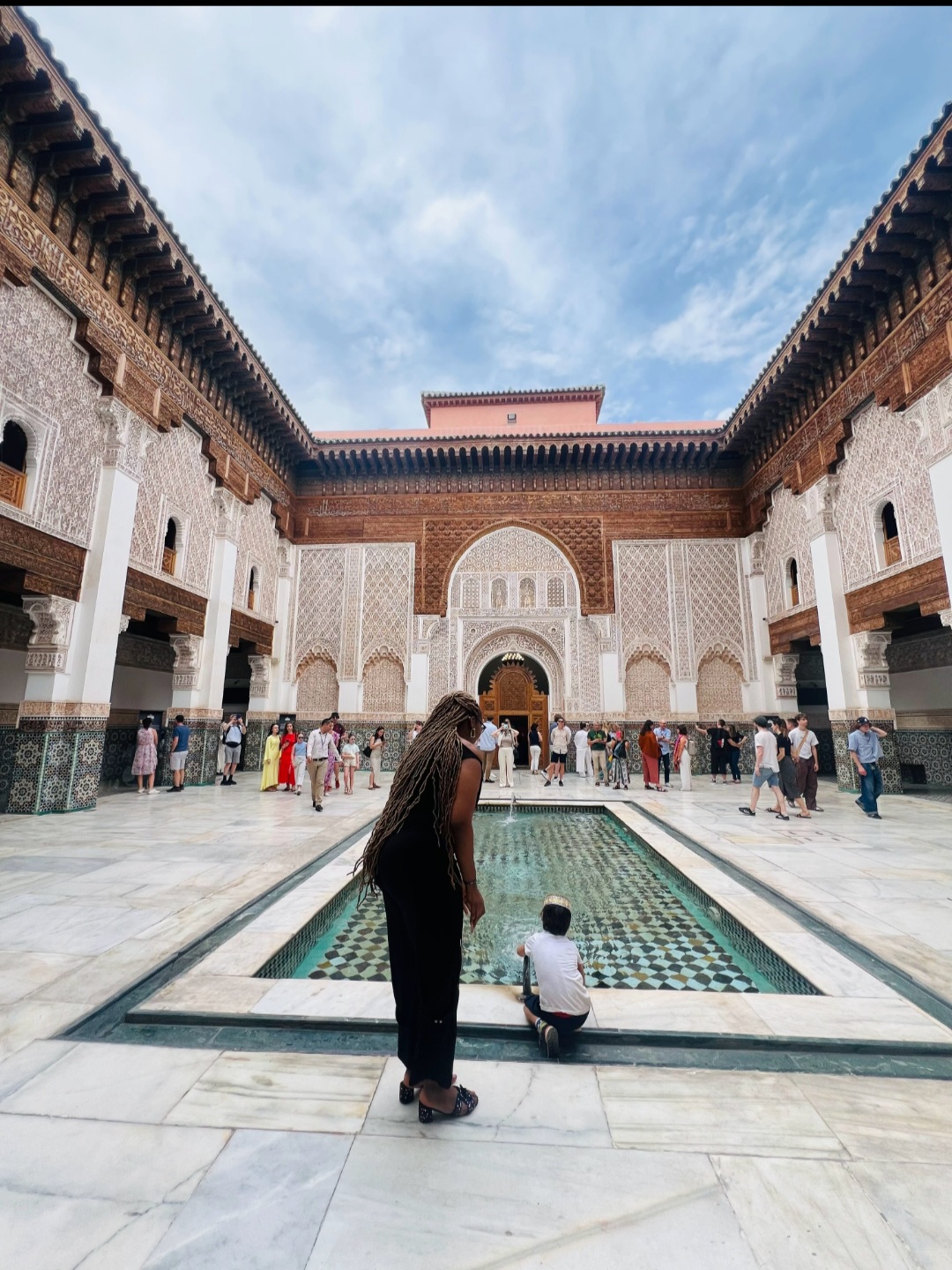
A moment of vulnerability: I once travelled to Morocco, but before I could get into that country, I went through a lot of stress, from the constant drag checking my passport at the checkpoints, the flight and the rest of my stay. Did I have some fun, hell yeah! But will I go there again? No! There are more African countries to explore.
What’s Changing (And What Gives Me Hope)
There's so much change happening right before our eyes now, and I believe it has become an indicator that despite the myths and obstacles, a new generation of African travellers is rising and has come to be. We are blogging, vlogging, building travel communities, and sharing our experiences loudly and proudly. We are proving that we don’t just travel, we belong in every space, every country, and every conversation about global exploration.
Platforms like Twitter, Instagram, and YouTube have become our passports when physical ones fail us. We are out here telling our own stories now, tooting our horns, and they are louder, richer, and more complex than any stereotype.
Oh, I would love to mention a few organizations and movements that are solid and hold good reputable grounds for travel, especially for Africans.
Visa-Free Africa (by the African Union)
Wakawaka Africa
Jumia Travel
These African travel bloggers and creators are changing the narrative just like me, one trip at a time.
Just to be clear, It’s Not That We Don’t Travel, It’s That We Are Often Not Seen. So, the next time someone asks, “Why don’t Africans travel?”, tell them this: We do. We’ve always wanted to. It's just that we fight harder than most just to get on a plane. We spend months saving, gathering documents, praying through the visa process, and facing suspicion at every checkpoint. And still, we go.
We go because the world is ours too. We go because our stories deserve to be told in every language. We go because we have the right to rest, to roam, and to be curious. We go because travel is not a luxury, it is a human right. Last but not least, when we travel, we carry our ancestors with us, our culture in our skin, our heritage in our hearts and our dreams across oceans.
I hope with this post, we can rewrite the narrative. Africans don’t just travel. We transform the places we go.
See you in the next post!
Africa, Rise Up! The World Is Your Place!